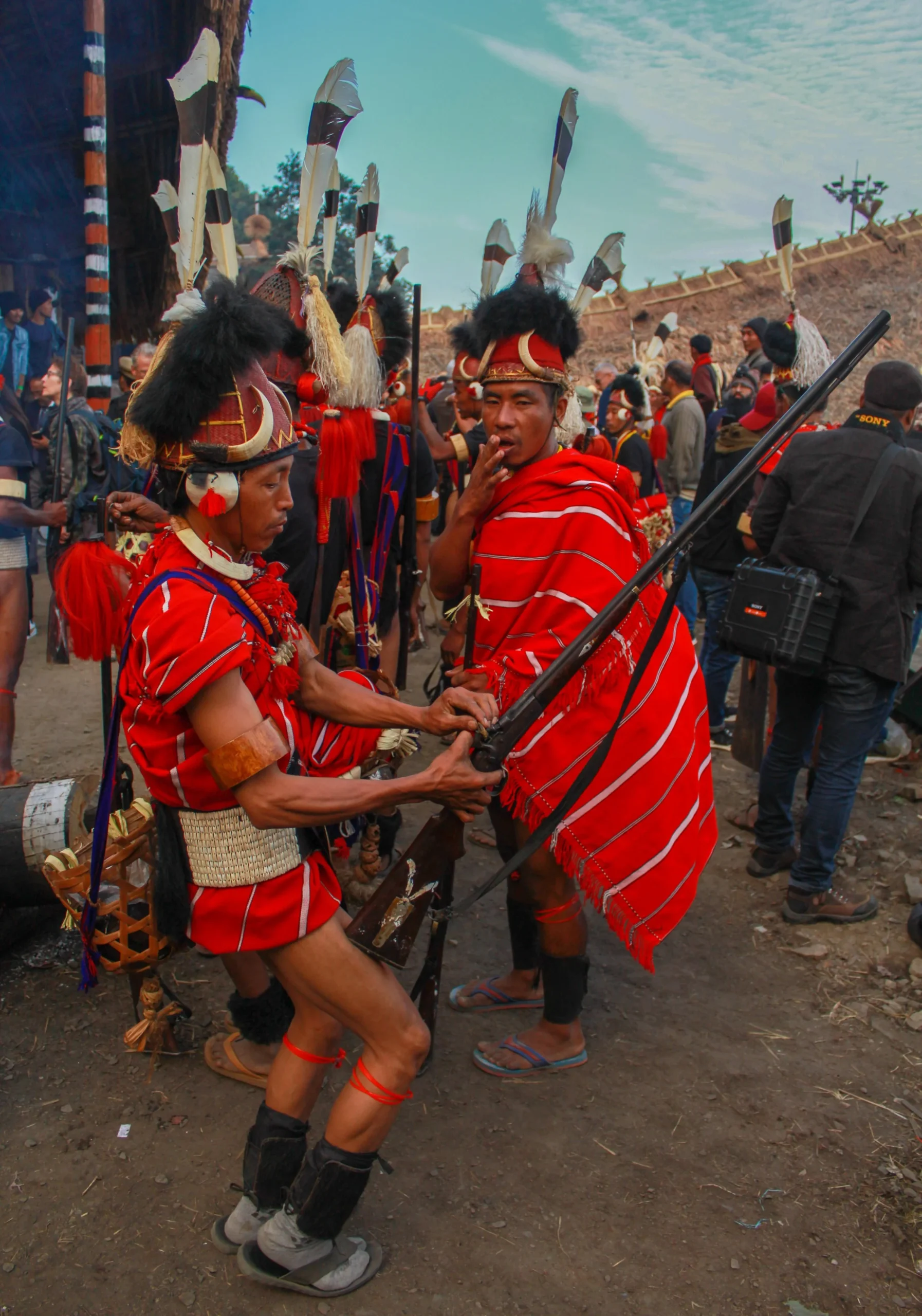
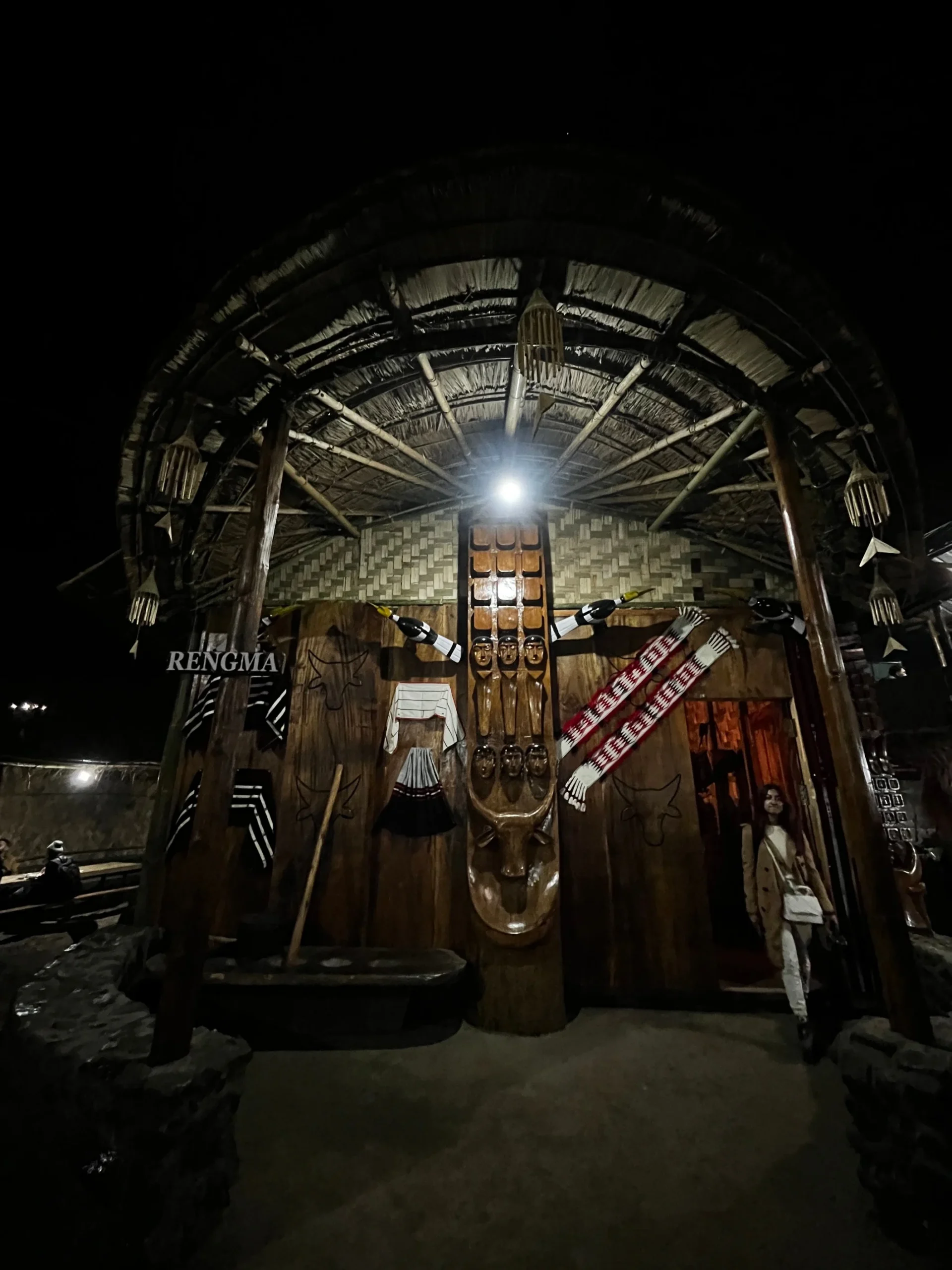
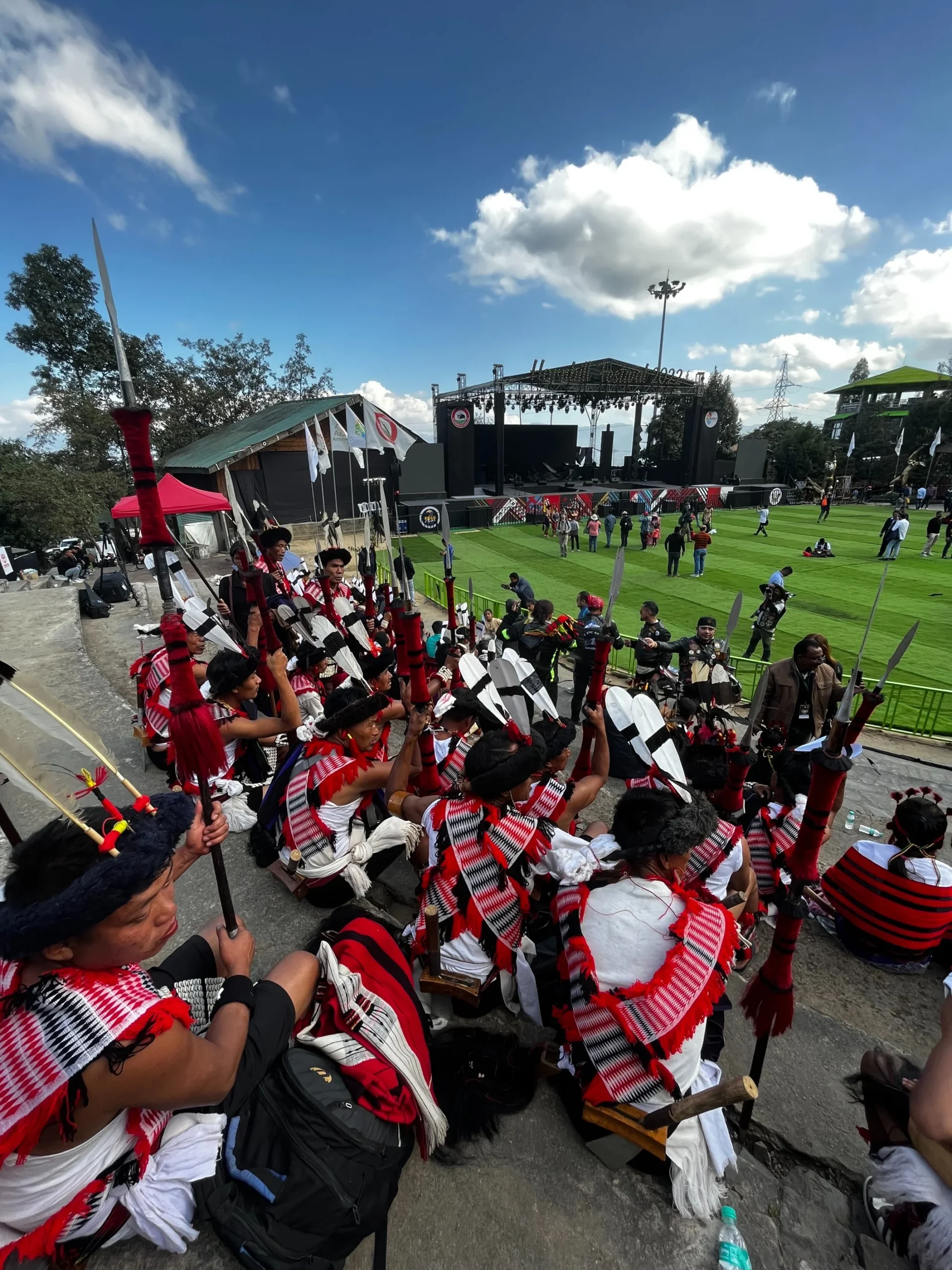
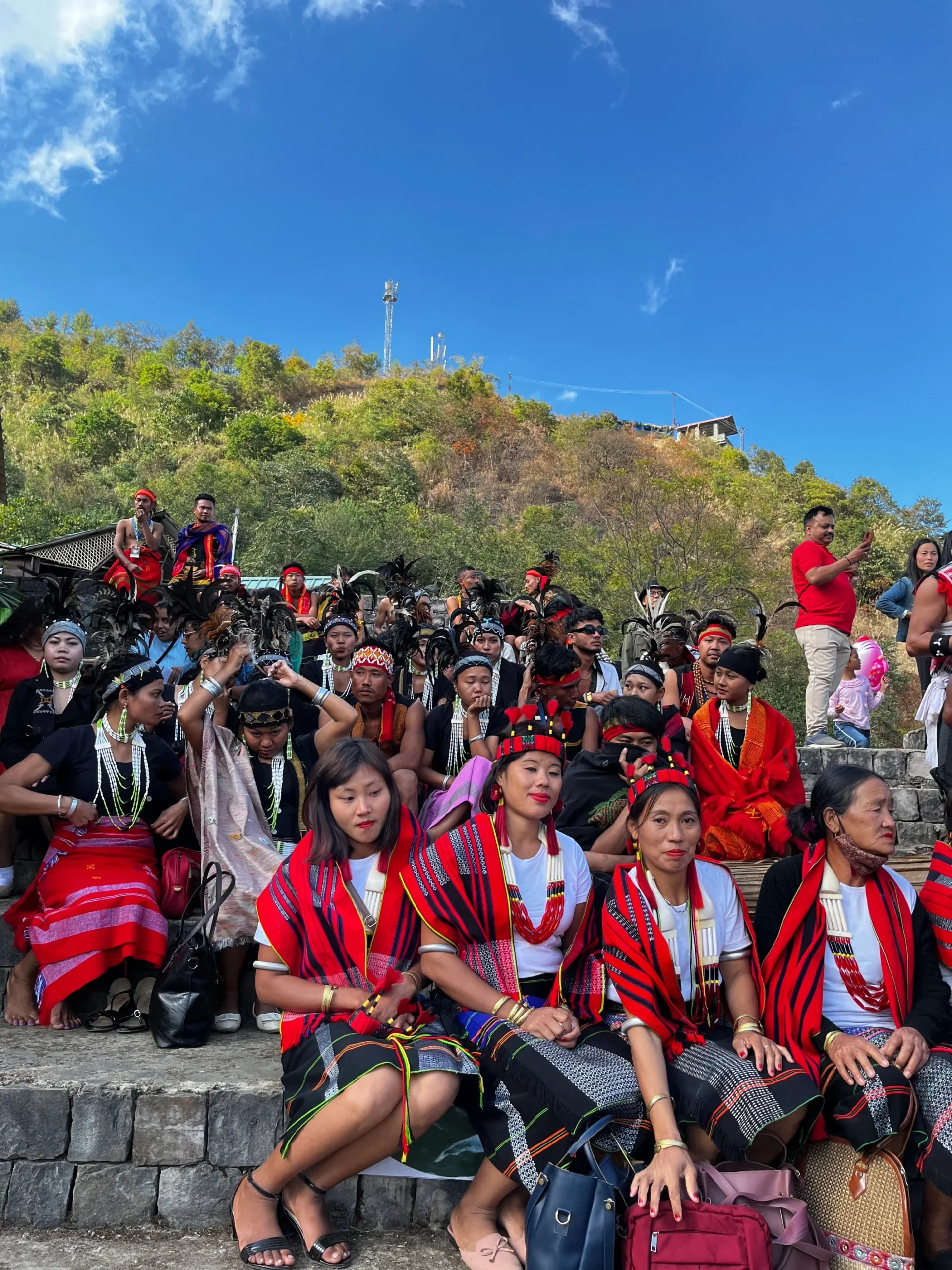
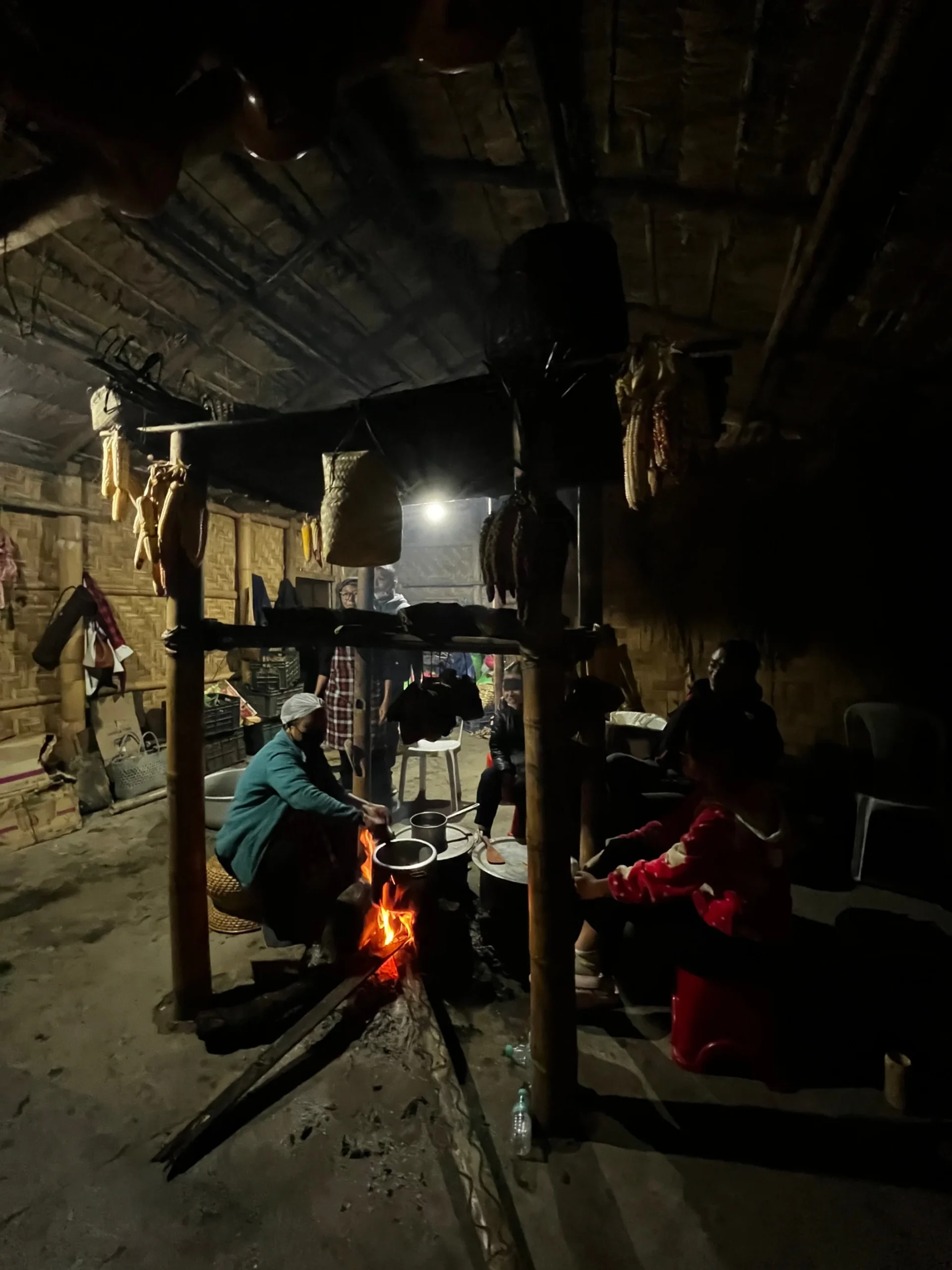
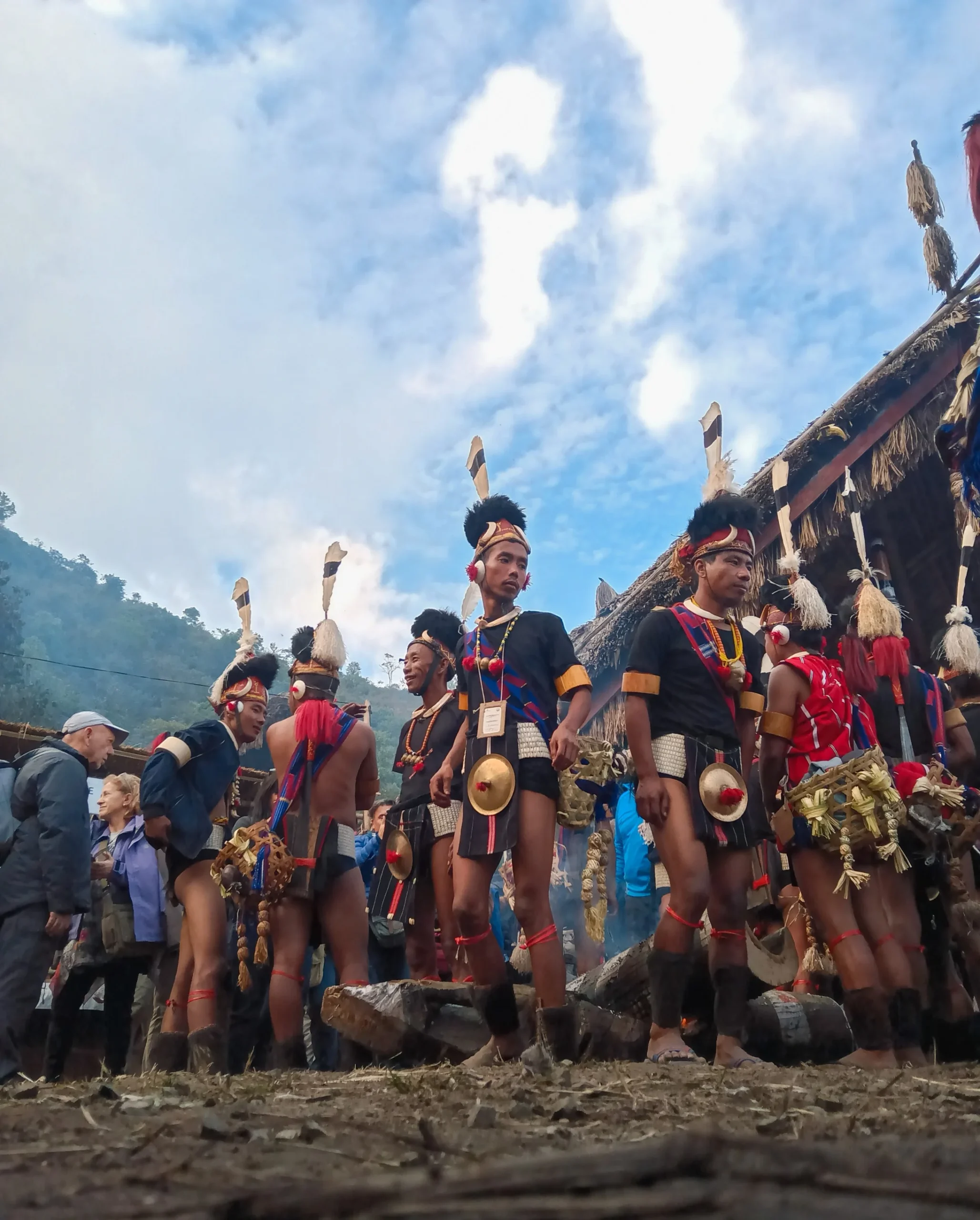
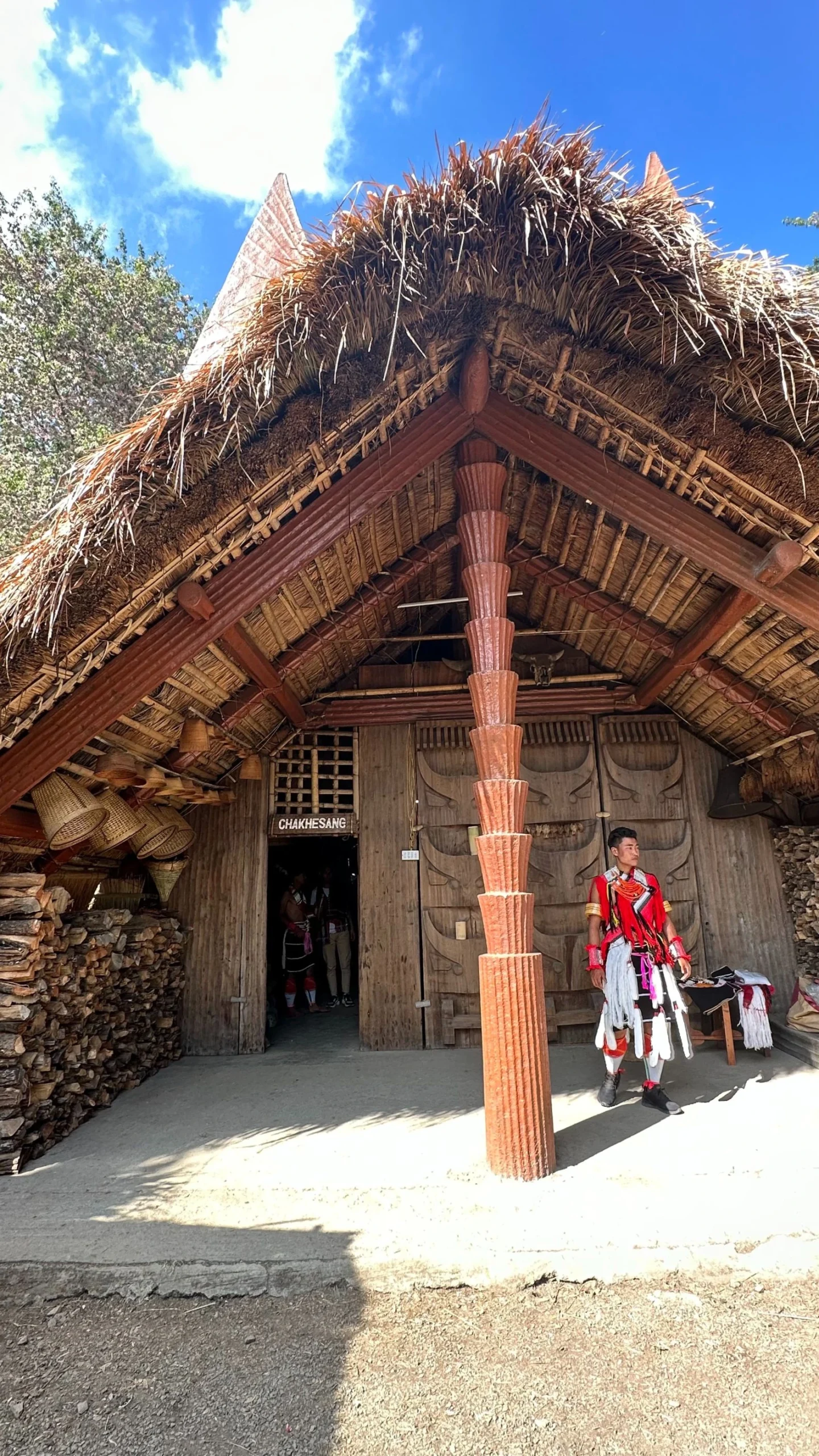
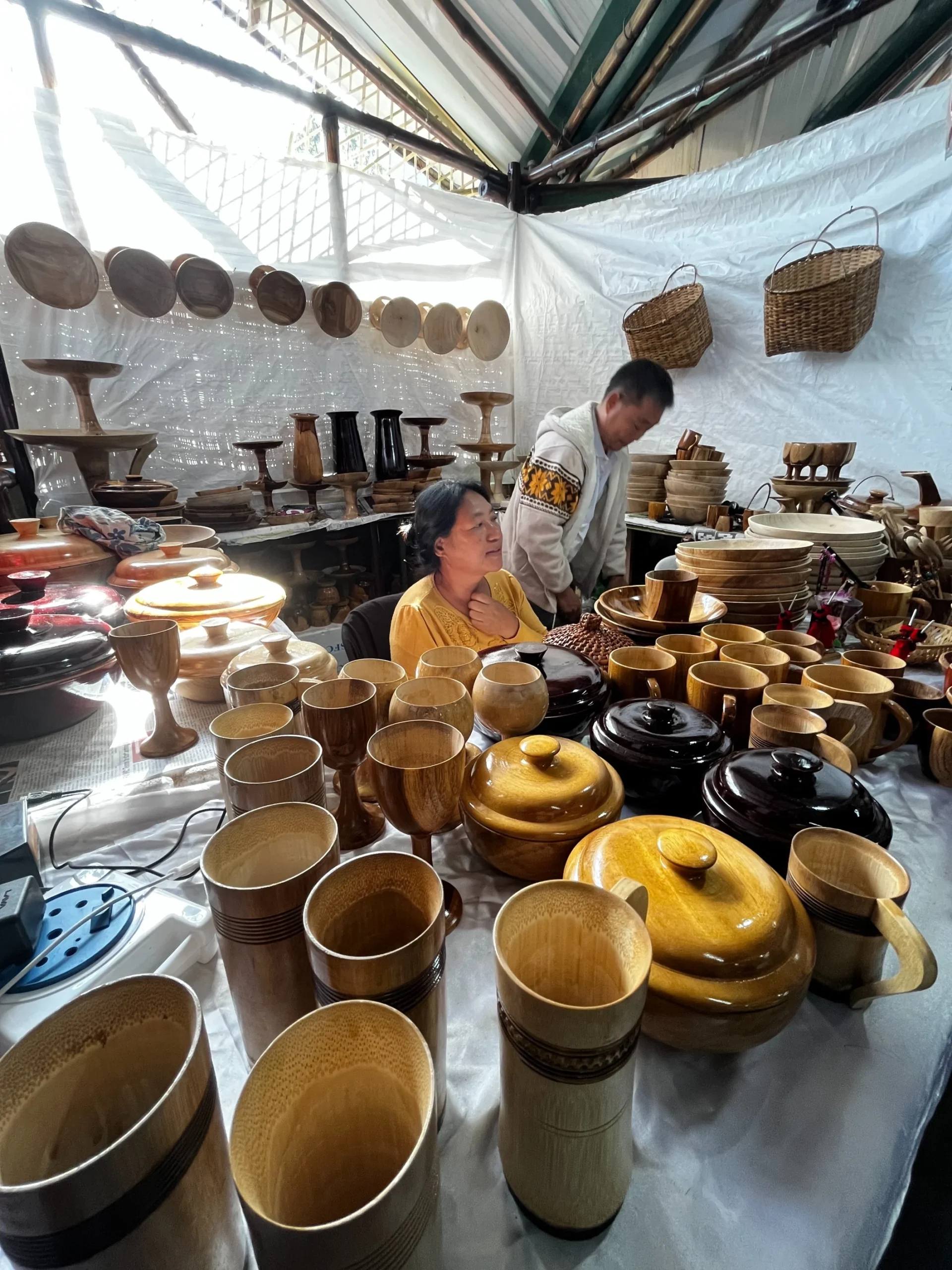
Hornbill Festival is Nagaland’s biggest cultural celebration, held every year from December 1–10.
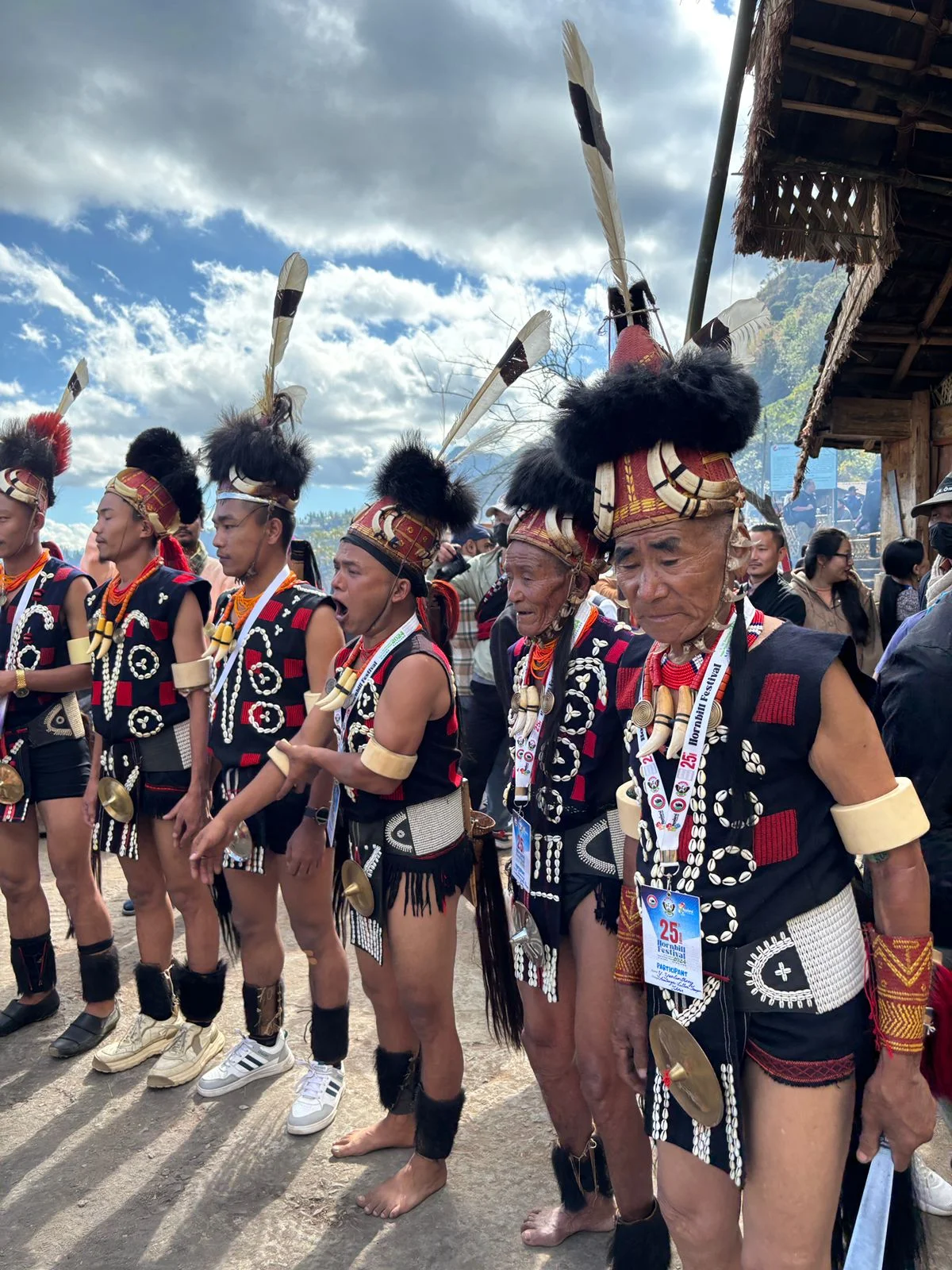
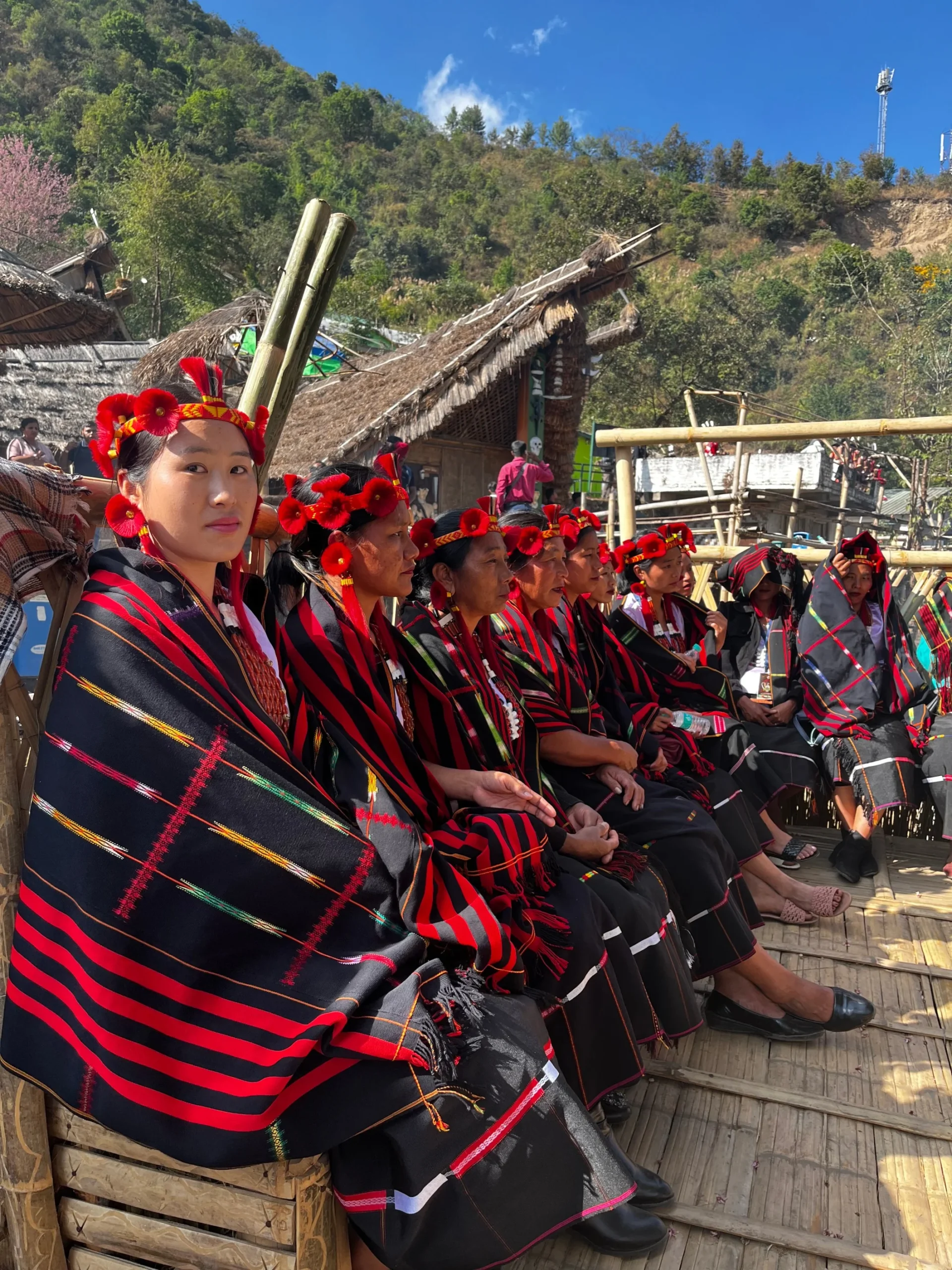
All 17 major Naga tribes come together to showcase their traditions through dance, music, food, crafts, fashion, indigenous sports and more.
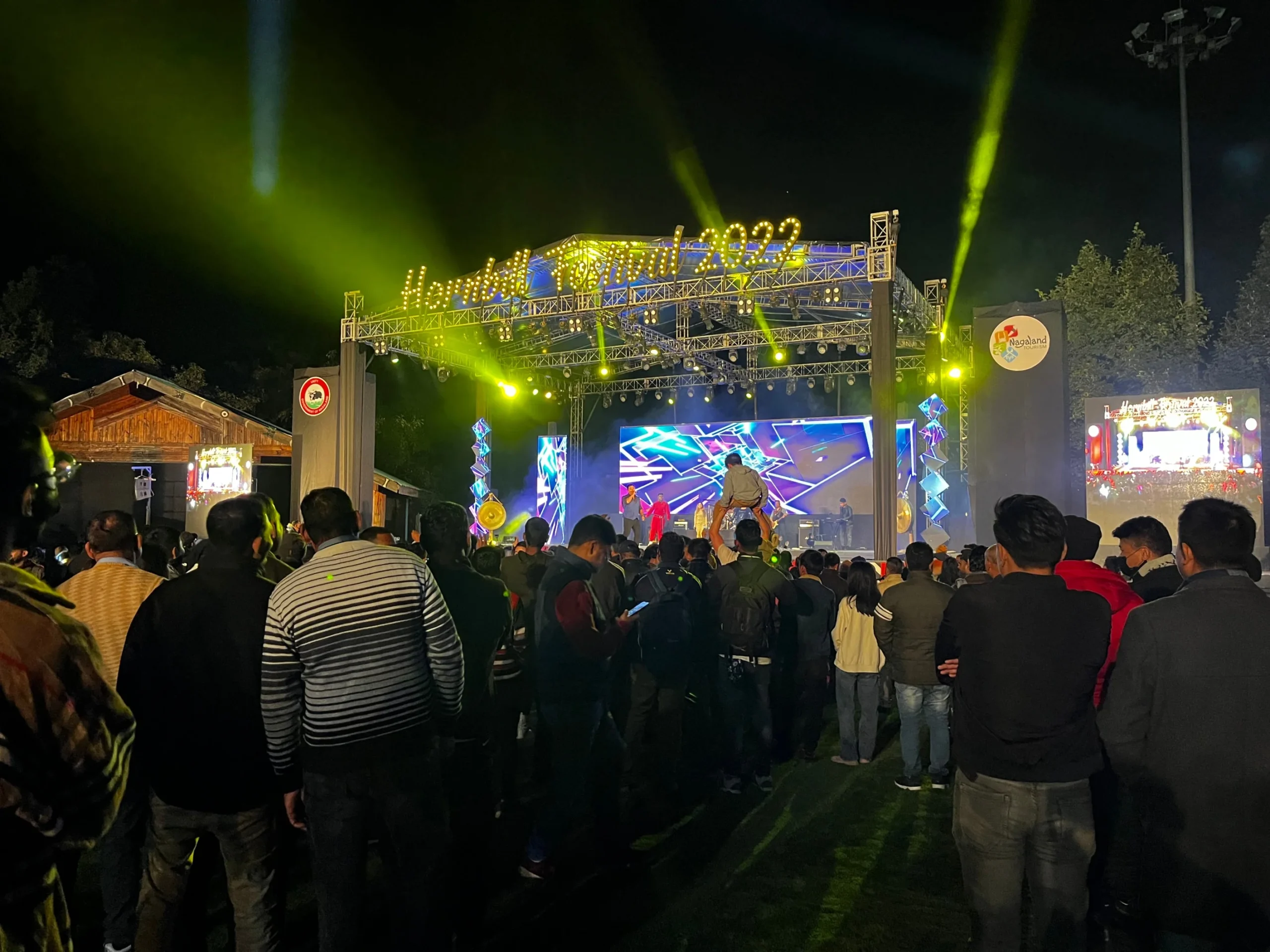
But it’s not just about culture – Hornbill is also home to India’s longest music festival, with 10 nights of live performances by top artists under the stars.
From warrior dances to modern art, tribal flavors to global sounds, Hornbill offers a rare chance to witness the spirit of Nagaland in full color
Come for the culture. Stay for the magic. Join us this December and be a part of the Festival of Festivals!
Share your contact details and our team will reach back to you
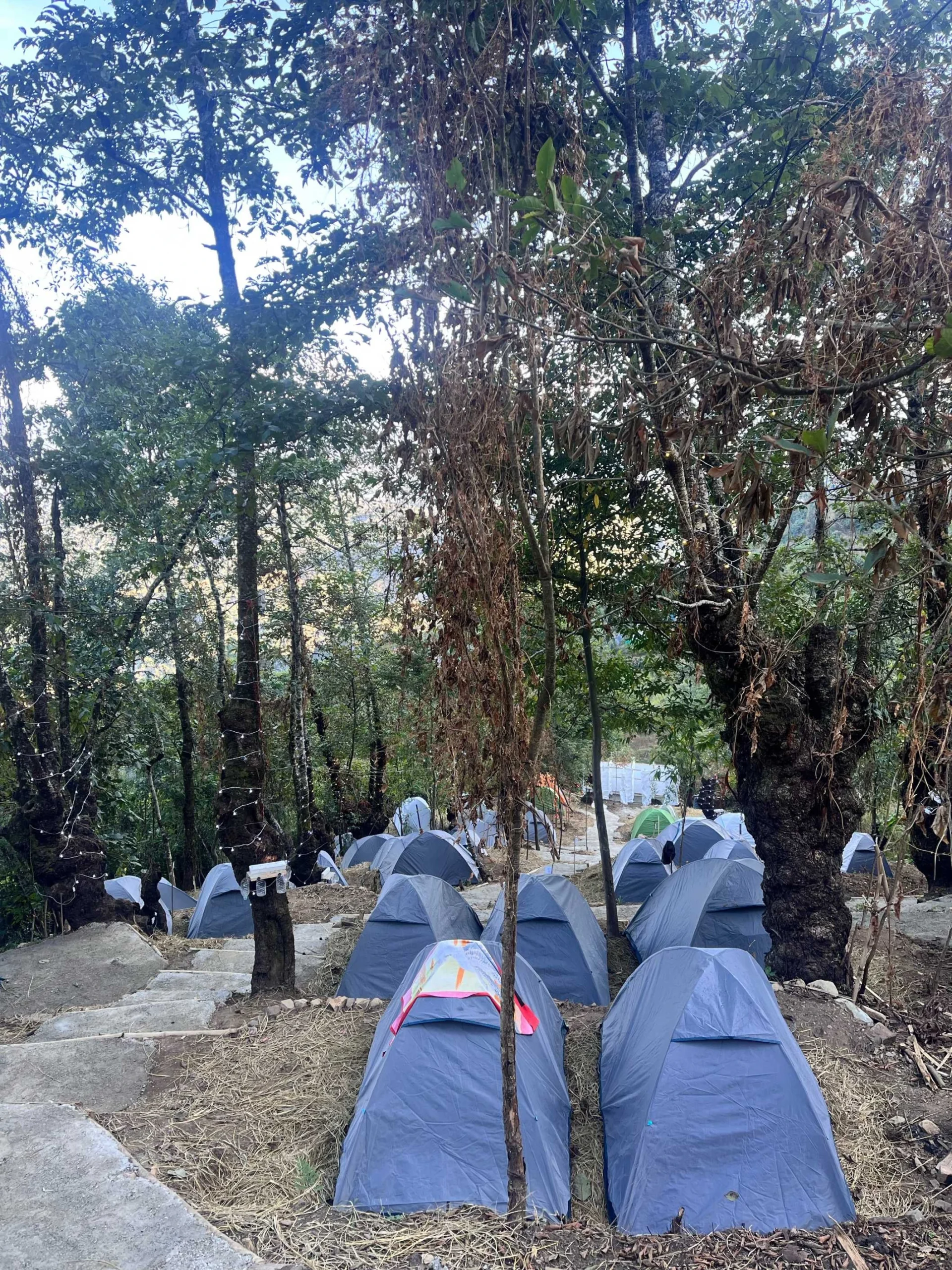
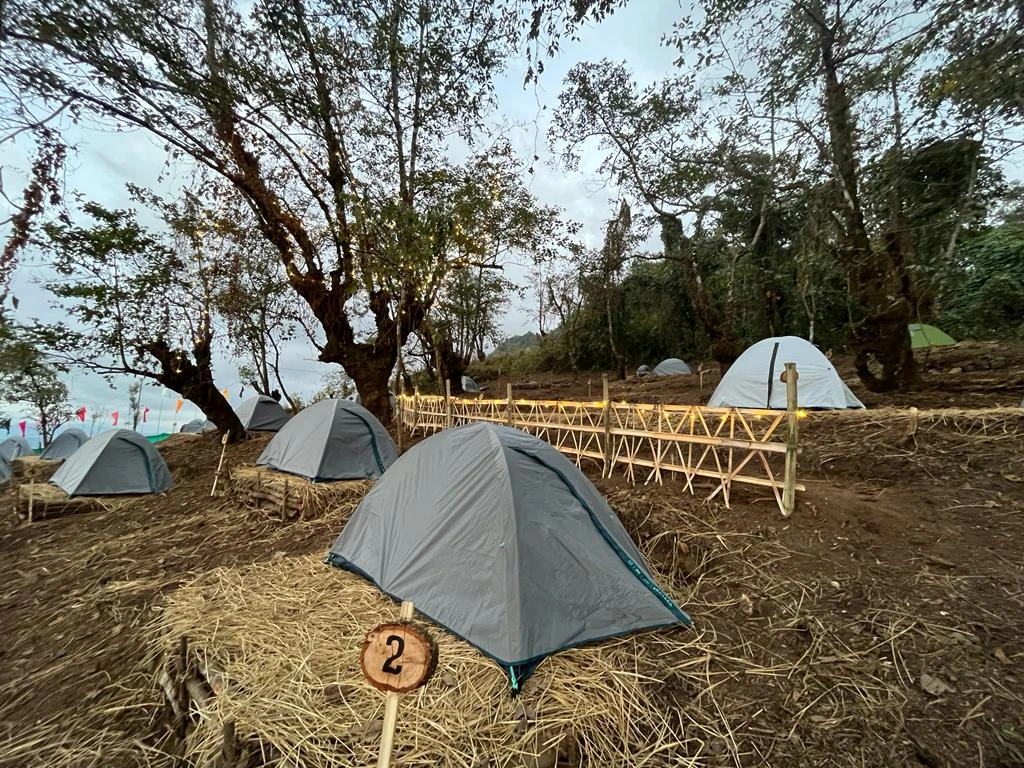
We have pre-pitched dome-shaped tents (Quechua) equipped with Sleeping Mat (foam), and Sleeping Bags/Blankets
Quechua Dome 2-Seater and 3-Seater Tents.
We provide Sleeping Mat (foam), Blanket/Sleeping bag, Pillows and Mini Sanitary Kit.
The Hornbill Festival is Nagaland’s largest cultural festival where the state’s indigenous tribes showcase their traditional dance, music, food, handicrafts, folk traditions, and heritage. It is often called the “Festival of Festivals” of Northeast India.
The Hornbill Festival 2026 is expected to be held from 1st December to 10th December 2026, coinciding with Nagaland Statehood Day celebrations.
The festival is celebrated at the Kisama Heritage Village, located about 12–15 km from Kohima, the capital city of Nagaland.
Yes, Indian citizens from outside Nagaland require an Inner Line Permit (ILP) to enter Nagaland and attend the Hornbill Festival. The permit can be obtained online here : https://ilp.nagaland.gov.in/.
The nearest airport and railway station are in Dimapur. From Dimapur, visitors can travel by taxi or bus to Kohima and then take local transport to Kisama Heritage Village.
Yes. Hornbill Festival is one of India’s most unique cultural experiences, offering an immersive glimpse into the traditions and lifestyle of Nagaland’s diverse tribal communities.
Seventeen major Naga tribes along with several sub-tribes participate in the festival through cultural performances, exhibitions, food stalls, and traditional activities.
Popular attractions include:
● Traditional tribal dances
● Cultural performances
● Naga cuisine
● Indigenous handicrafts
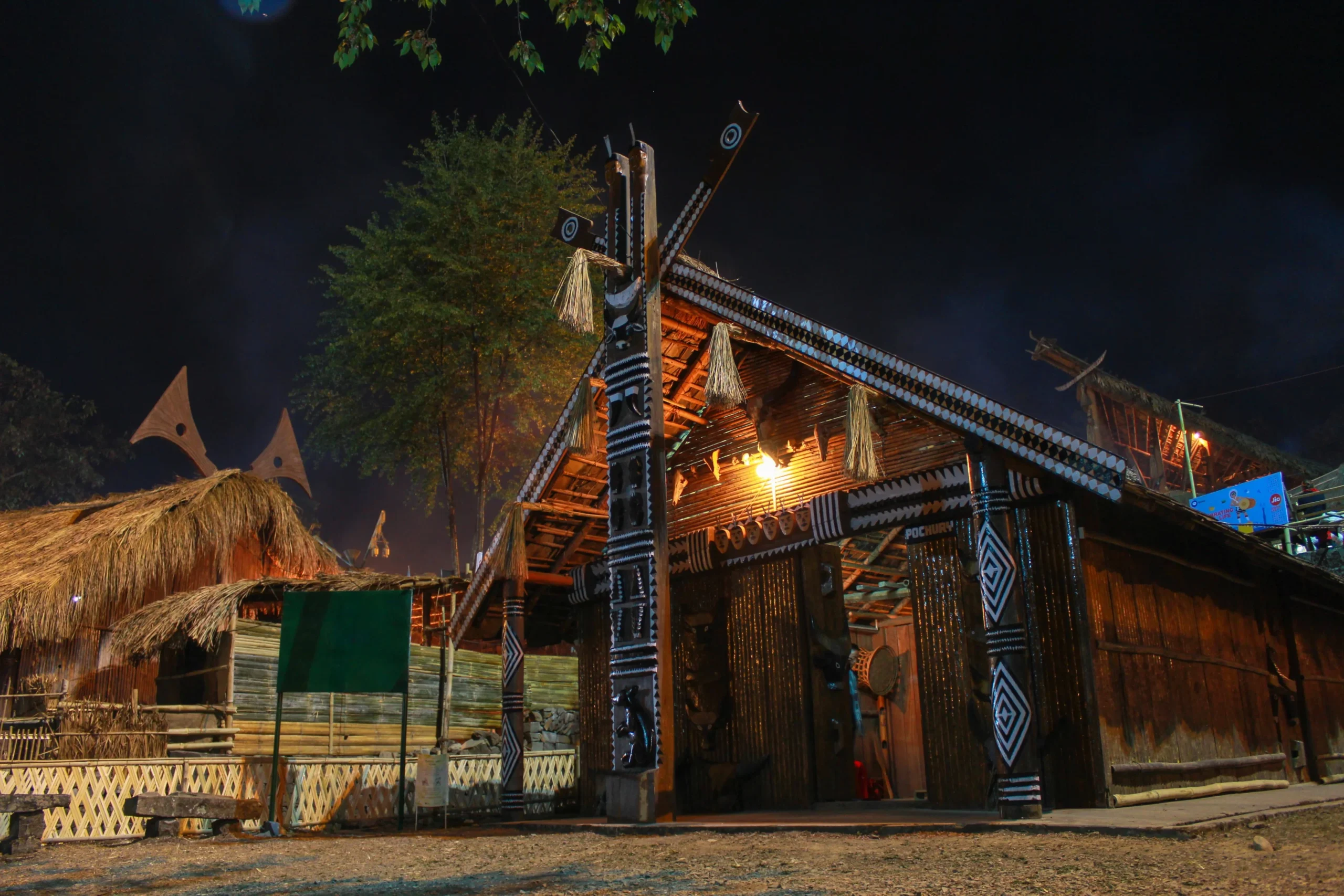
● Heritage Morungs
● Rock concerts
● Hornbill Music Festival
● Traditional games and competitions
● Local wine and rice beer tasting
December in Nagaland can be quite cold, especially during mornings and evenings. Visitors should carry warm jackets, woollens, gloves, caps, and comfortable walking shoes.
Yes. Hornbill Festival tour packages are available and typically include accommodation, local transport, sightseeing, and festival experiences. At Travespert, we offer curated packages that combine the Hornbill Festival with iconic destinations like Dzukou Valley, Khonoma, Kohima, and more. Explore our packages above to find the perfect Nagaland experience.
Popular destinations to combine with the festival include:
● Kohima
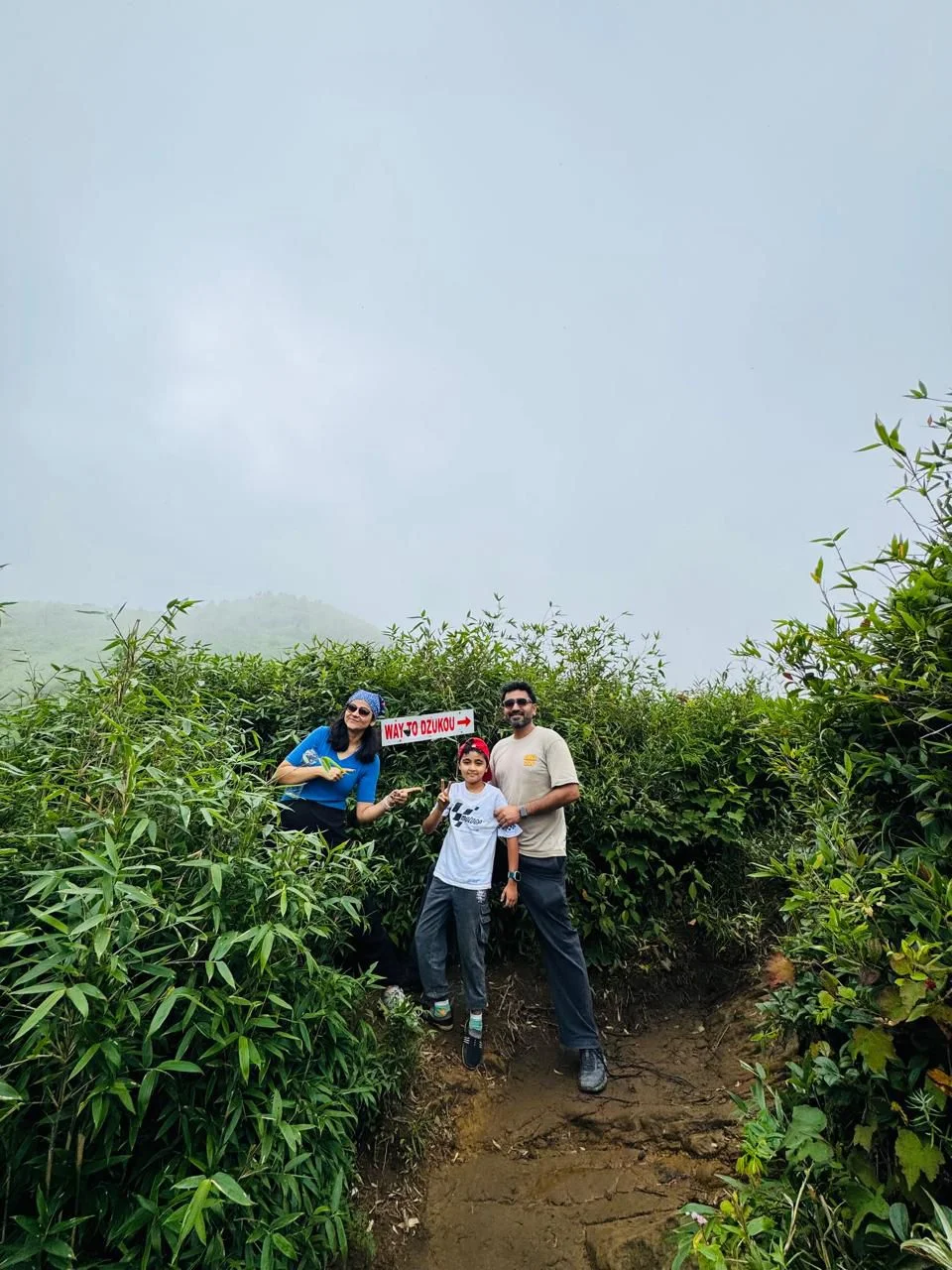
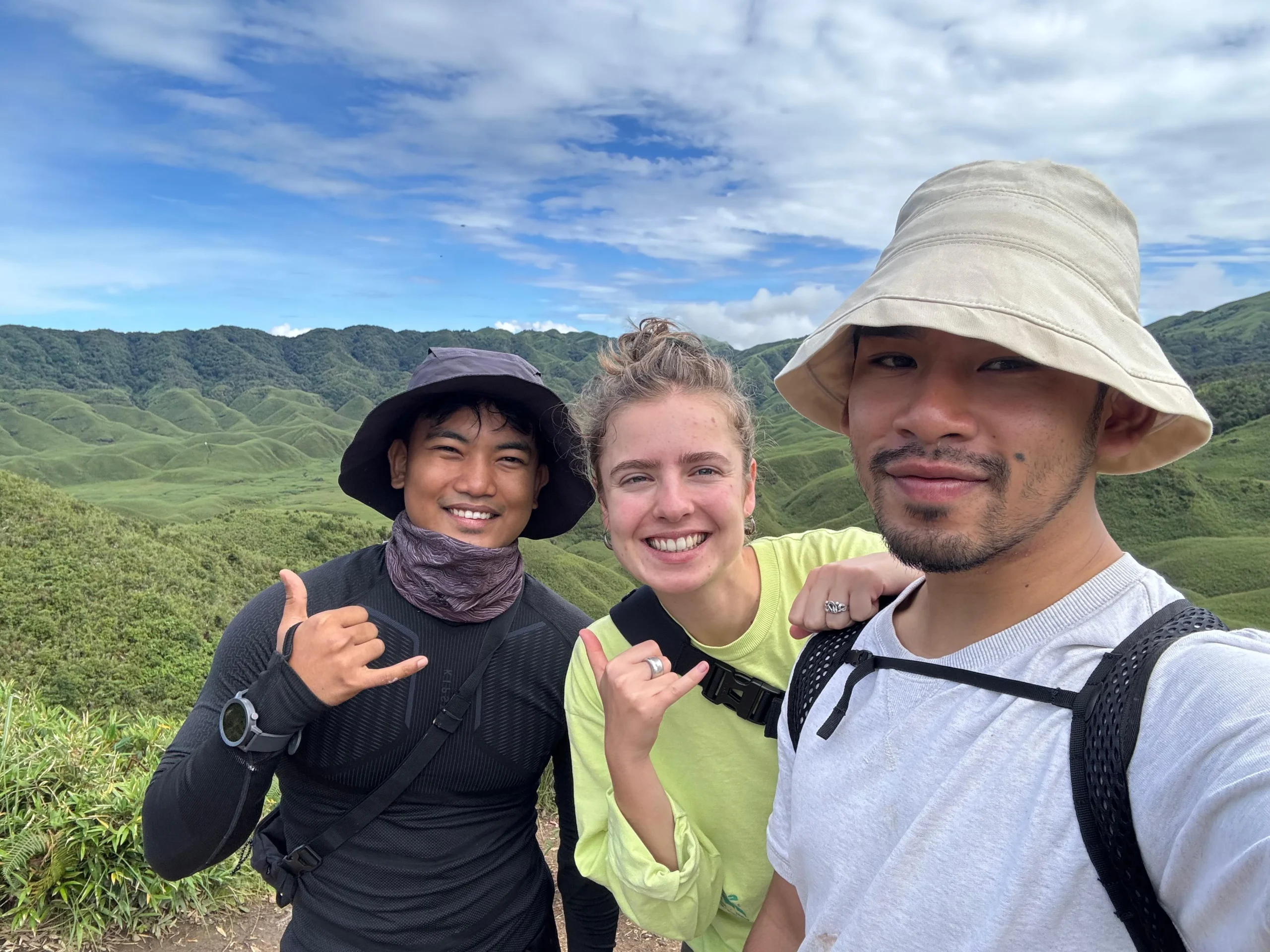
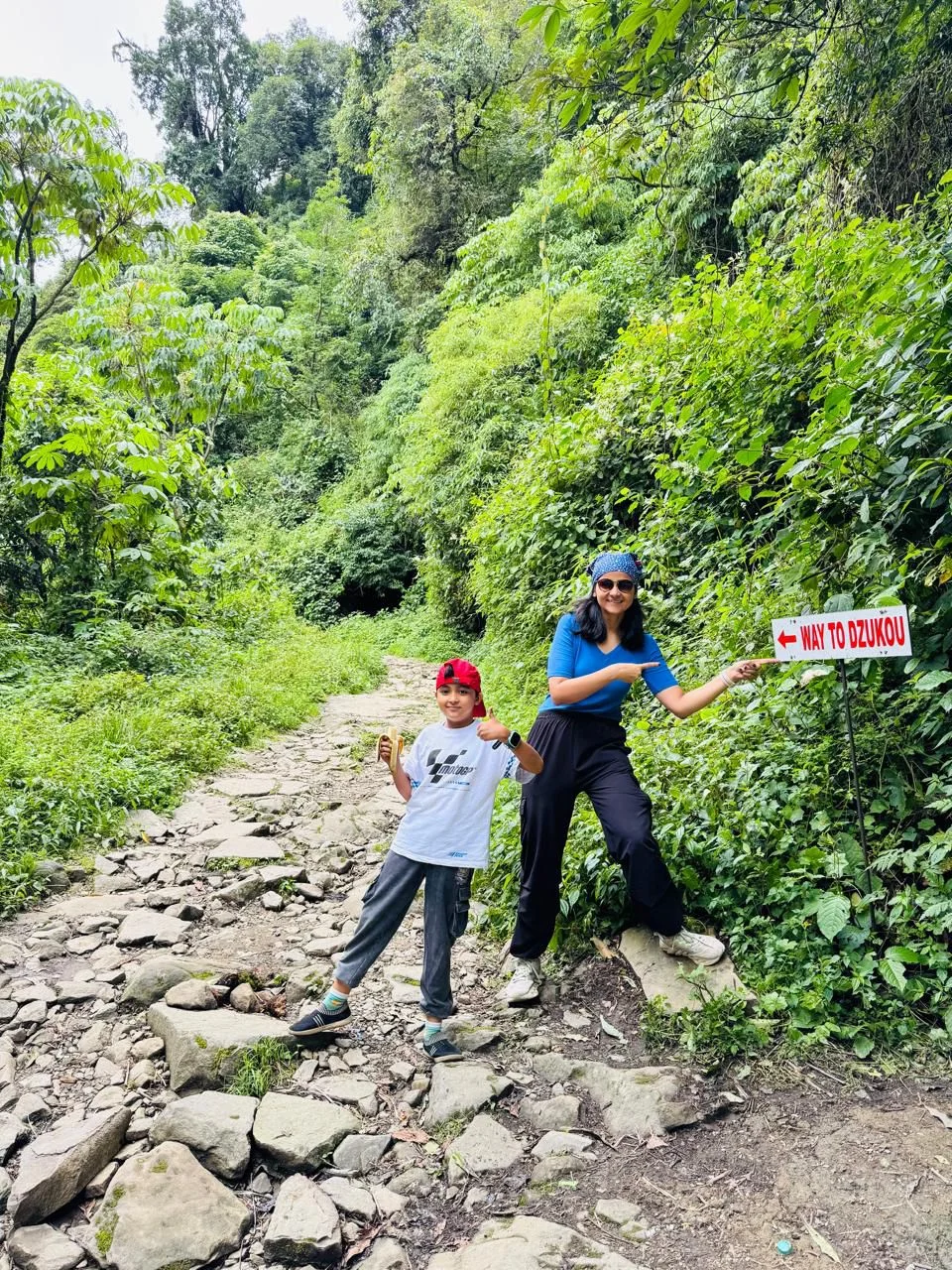
● Dzukou Valley
● Khonoma Village
● Pfutsero
● Dzuleke
● Jakhama
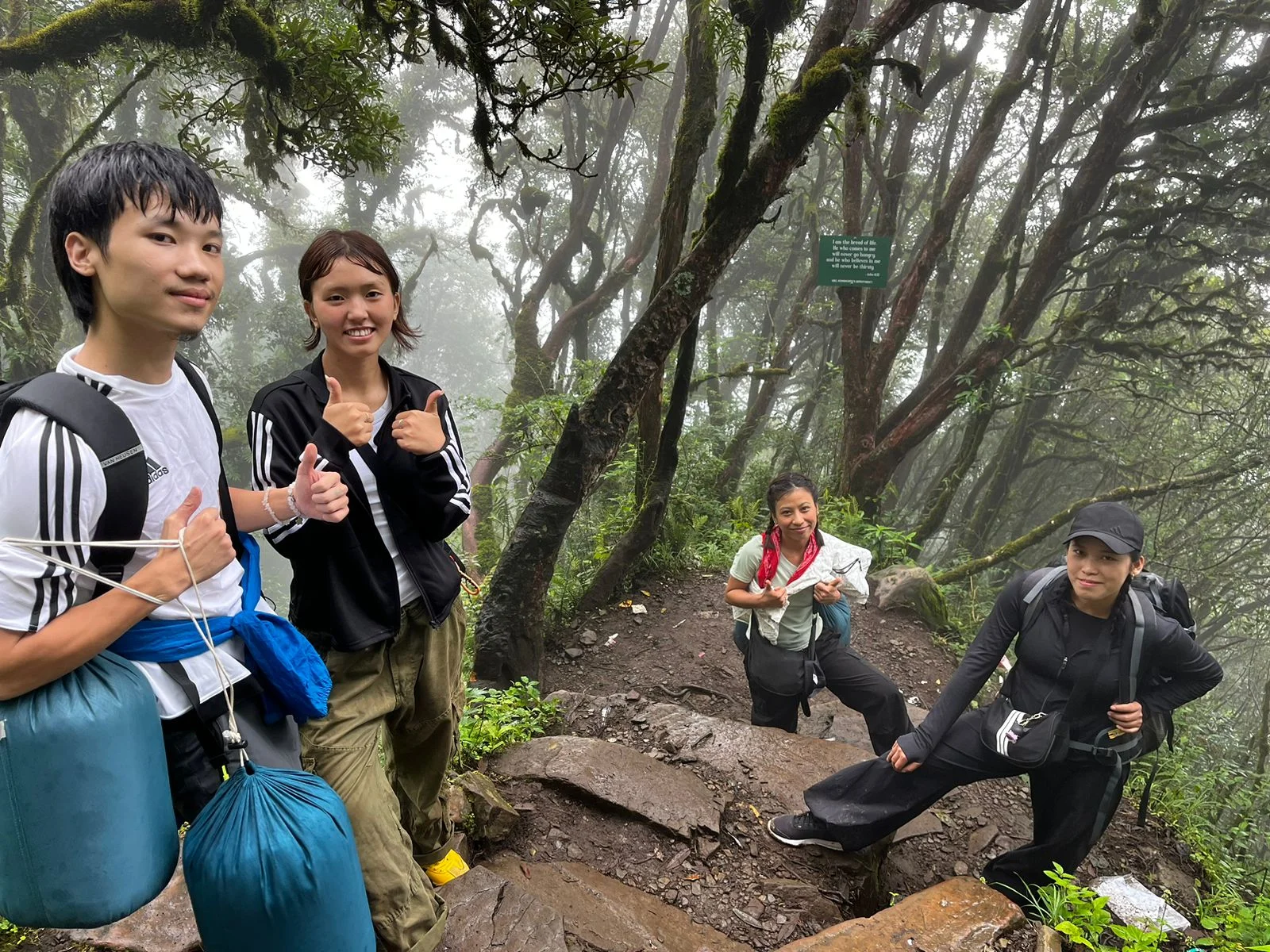
Yes. Dzukou Valley is located near Kohima and Kisama and is one of the most popular excursions for visitors attending the Hornbill Festival.
Absolutely. The festival attracts visitors from across the world and is considered one of India’s most important cultural tourism events.
Visitors can enjoy authentic Naga cuisine including smoked pork, bamboo shoot dishes, rice cakes, traditional chutneys, local vegetables, and indigenous tribal recipes.
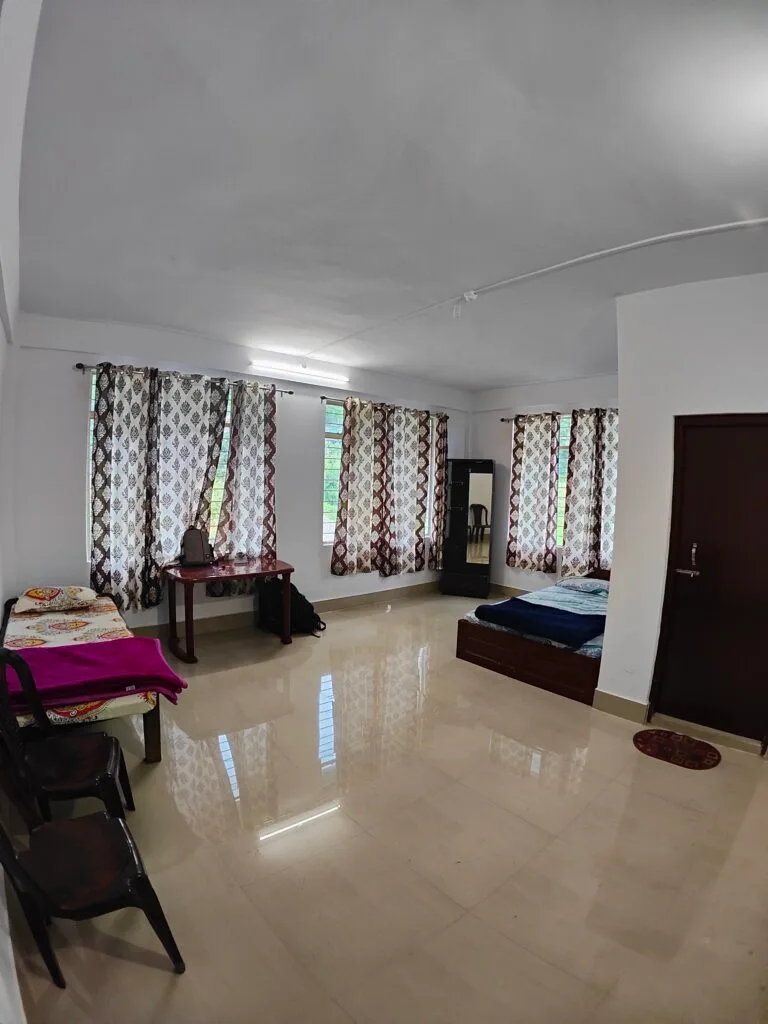
Yes. Accommodation options include hotels, resorts, guesthouses, homestays, and campsites in Kohima, Kisama, Kigwema, Jakhama and nearby villages.
A 4 to 5-day itinerary is ideal to experience the festival while also exploring nearby destinations like Dzukou Valley, Khonoma, and Kohima.
Yes. Photography is allowed and the festival is considered one of the most photogenic cultural events in India. Visitors should always respect local customs when taking photographs.
Accommodation fills up quickly due to high demand. It is recommended to book hotels and tour packages at least 2–4 months in advance.
Hornbill Festival is the only event where visitors can experience the traditions, dances, languages, food, architecture, and customs of multiple Naga tribes at a single venue.
Hornbill Festival is the only event where visitors can experience the traditions, dances, languages, food, architecture, and customs of multiple Naga tribes at a single venue.
The nearest airport to the Hornbill Festival is the Dimapur Airport, located approximately 70–75 km from Kisama Heritage Village. Visitors can take a taxi or shared cab from Dimapur to Kohima and then travel to the festival venue at Kisama. Dimapur is also the nearest railway station, making it the primary gateway for travelers attending the Hornbill Festival.
Yes, the Hornbill Festival is generally considered safe for solo travellers, including women travellers. The festival attracts thousands of domestic and international visitors every year and is organized by the Government of Nagaland with extensive security and tourist support arrangements. The local Naga communities are known for their hospitality and welcoming nature.
The official entry fee for Hornbill Festival 2026 is yet to be announced. Based on previous editions, entry tickets are usually affordable and can be purchased directly at the festival
venue ranging from Rs. 50 to Rs. 200. Visitors should note that separate charges may apply for certain concerts, special events, photography permits, parking, or premium experiences. It is advisable to check the official festival notifications closer to the event date for the latest ticket prices.
Kisama Heritage Village is located approximately 12 km from Kohima. The drive typically takes around 20–30 minutes depending on traffic during the festival period. Shared taxis and private cabs operate frequently between Kohima and Kisama, making it convenient for visitors staying in the city to attend the festival each day.